
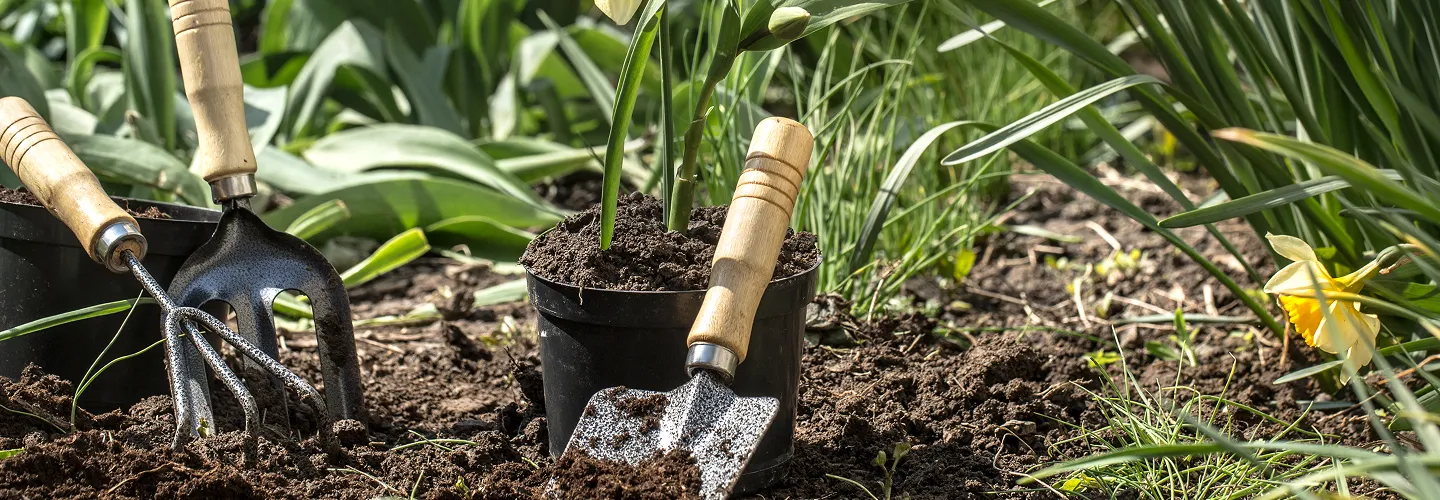
Spring Hill Lawn Leveling Services
Choose our professional lawn leveling services for a safer, more beautiful yard—our experienced team uses top-quality materials and proven techniques to ensure lasting results and a flawless finish.
Get a Free QuoteOur Spring Hill Landscaping & Yard Care Services
When to Schedule Lawn Leveling in Spring Hill, Florida – Seasonal Guide
In Spring Hill, Florida, the best time to schedule lawn leveling is typically during the late spring or early fall. These seasons offer moderate temperatures and consistent rainfall, which help newly leveled lawns recover quickly and establish healthy growth. The region’s subtropical climate means that summers can be hot and humid, while winters are generally mild with occasional cold snaps. Timing your lawn leveling project to avoid the peak summer heat and the risk of late winter frost is crucial for optimal results.
Local neighborhoods such as Seven Hills and Sterling Hill often experience unique microclimates due to varying tree coverage and proximity to natural preserves. Factors like soil composition—ranging from sandy soils near Weeki Wachee to denser clay in older developments—also play a significant role in determining the best time for lawn care. Additionally, understanding local environmental factors, such as the average last frost date and the potential for drought during late spring, can help you plan your project more effectively. For more information on local weather patterns and municipal guidelines, visit the official Spring Hill resource.
Local Factors to Consider for Lawn Leveling in Spring Hill
- Tree density and shade coverage, especially in areas like Timber Pines
- Soil type and drainage, which can vary between neighborhoods
- Seasonal precipitation patterns and risk of drought
- Terrain slope and proximity to water features
- Municipal restrictions or HOA guidelines on landscaping projects
Benefits of Lawn Leveling in Spring Hill
Enhanced Curb Appeal
Improved Lawn Health
Smoother Mowing Experience
Better Drainage Solutions
Increased Property Value
Professional and Reliable Service
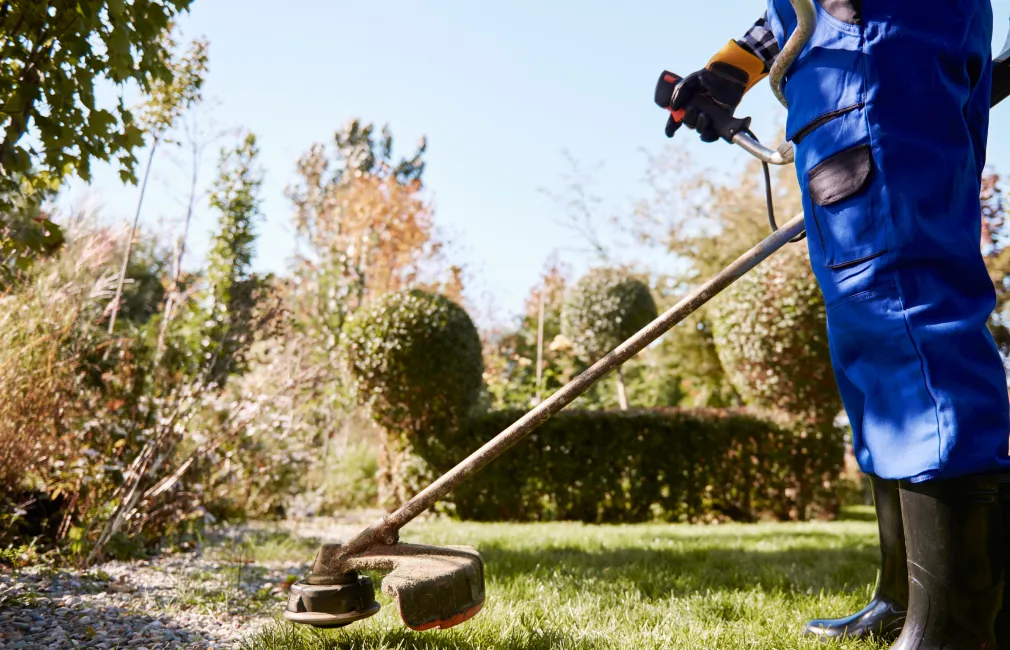
Spring Hill Lawn Leveling Types

Topdressing Lawn Leveling
Topdressing involves spreading a thin layer of soil or sand to even out minor bumps and depressions.
-
Laser Grading
Laser grading uses precision equipment to achieve a perfectly level lawn surface for optimal drainage.
-
Sod Removal and Regrading
This method removes existing sod, regrades the soil beneath, and then replaces or installs new sod.
-
Fill and Compact Leveling
Soil or sand is added to low spots and compacted to create a smooth, even lawn surface.
-
Power Raking Leveling
Power raking removes thatch and helps redistribute soil for a more level lawn.
-
Core Aeration and Leveling
Aeration relieves compaction and allows for easier leveling by improving soil structure.
Our Lawn Leveling Process
Site Evaluation
Soil Preparation
Leveling Application
Compaction
Final Inspection
Why Choose Spring Hill Landscape Services
Spring Hill Homeowners Trust Us
-
Expert Lawn Maintenance
-
Reliable Scheduling
-
Competitive Pricing
-
Professional Team
-
Satisfaction Guarantee
-
Personalized Service
-
Locally Owned and Operated
Coordinating Lawn Leveling Projects with Spring Hill’s Engineering Department
Lawn leveling in Spring Hill, FL, often requires coordination with the Hernando County Engineering Department, especially when work may alter drainage patterns or affect swales and stormwater flow. Residents and property managers should be aware that any significant grading or re-contouring near property lines, swales, or public rights-of-way may require review to ensure compliance with local drainage standards. The Engineering Department provides technical guidance on maintaining positive drainage away from structures and preventing runoff into neighboring lots or public infrastructure. Before beginning a lawn leveling project, it is advisable to review site plans and consult with the department regarding potential impacts on stormwater systems. For projects adjacent to drainage easements or involving substantial soil movement, additional review may be necessary to avoid unintended flooding or erosion issues.
- Review site plans for existing drainage features before starting work
- Consult the Engineering Department if altering grade near swales or easements
- Maintain clear flow paths to storm drains and avoid blocking inlets
Hernando County Engineering Department
789 Providence Blvd, Brooksville, FL 34601
Phone: 352-754-4062
Official Website: Hernando County Engineering Department
How Spring Hill’s Gulf Coast Conditions Shape Lawn Leveling Needs
Spring Hill is situated in the Gulf Coast Florida region, characterized by a humid subtropical climate, high summer rainfall, and predominantly sandy or fill-based soils. These conditions directly influence lawn leveling practices:
- Sandy soils, common in Spring Hill subdivisions, are prone to settling and unevenness, especially after heavy rains or irrigation
- The area’s high water table and frequent summer storms can cause localized flooding if lawns are not properly graded
- Warm-season turf species such as St. Augustinegrass and bahiagrass dominate, requiring careful attention to drainage to prevent root rot and fungal issues
Additionally, runoff from lawns can quickly enter swales, canals, or storm drains, making it essential to direct water away from structures and toward approved drainage features. The USDA Web Soil Survey provides detailed information on local soil profiles, which can help guide appropriate leveling materials and techniques. Residents should also be mindful of the USDA Plant Hardiness Zone Map for turf selection and timing.
Regulatory Considerations and Environmental Compliance for Lawn Leveling in Spring Hill
Lawn leveling activities in Spring Hill must comply with both local and state regulations to protect drainage systems and water quality. The Hernando County Building Division may require permits or review for substantial grading, especially if work affects drainage easements or alters the flow of stormwater. Florida’s NPDES Stormwater Program sets standards for preventing sediment and debris from entering storm drains, canals, and retention ponds. Residents should:
- Confirm with the Building Division whether a permit is needed for major regrading
- Avoid depositing soil, sand, or debris in swales, storm drains, or public rights-of-way
- Follow Clean Water Act guidelines to prevent runoff pollution
For projects near environmentally sensitive areas, coordination with the Hernando County Environment and Conservation office may be necessary to ensure compliance with conservation and water resource protection standards.
Hernando County Building Division
789 Providence Blvd, Brooksville, FL 34601
Phone: 352-754-4050
Official Website: Hernando County Building Division
Hernando County Environment and Conservation
16161 Flight Path Dr, Brooksville, FL 34604
Phone: 352-754-6830
Official Website: Hernando County Environment and Conservation
Professional Methods, Timing, and Standards for Lawn Leveling in Spring Hill
Effective lawn leveling in Spring Hill requires attention to both timing and technique, given the region’s climate and soil conditions. The optimal period for leveling is late spring through early summer, when warm-season grasses are actively growing and can recover quickly from disturbance. Key professional standards include:
- Using clean, screened sand or a sand-soil mix compatible with local turf and soil profiles
- Applying thin layers (commonly less than 1 inch at a time) to avoid smothering grass
- Ensuring that finished grades slope away from buildings and toward approved drainage features
- Avoiding work during periods of saturated soil or immediately before forecasted heavy rain to prevent compaction and runoff
The UF/IFAS Gardening Solutions - Lawns resource provides additional guidance on turf recovery and maintenance following leveling. It is also important to keep all soil, sediment, and debris out of storm drains and swales during and after the process to comply with Florida DEP stormwater requirements.
What Neighborhoods Do We Serve Throughout Spring Hill, FL?
- Seven Hills This area features established landscaping and mature trees, requiring careful grading to protect root zones and drainage swales.
- Sterling Hill Newer subdivisions here often have fill-based soils and engineered drainage, making precise leveling essential to prevent settlement and runoff issues.
- Spring Hill Central Central neighborhoods typically have moderate lot sizes and a mix of older and newer homes, with varying irrigation and drainage patterns.
- Pristine Place Gated community with HOA standards, where uniform grading and appearance are important and drainage must be coordinated with community systems.
- The Oaks Larger lots and wooded areas present unique challenges for leveling, including shade exposure and natural drainage features.
- Barclay Avenue Corridor Properties along this corridor may have access constraints and proximity to public infrastructure, requiring coordination for any grading near rights-of-way.
- Lakeside Estates Proximity to ponds and retention areas means that lawn leveling must be performed with special attention to runoff and water quality protection.