
Banner
Our Spring Hill Landscaping & Yard Care Services
When to Schedule Leaf Removal in Spring Hill, Florida – Seasonal Guide
In Spring Hill, Florida, the best time for leaf removal typically falls between late October and early January, when the majority of deciduous trees—such as those lining Mariner Boulevard or found in neighborhoods like Seven Hills—shed their leaves. The region’s subtropical climate means that leaf drop can be gradual, with some trees holding onto foliage well into winter. Scheduling removal after the first significant cold snap, but before the onset of winter rains, helps prevent leaves from matting down and creating slippery, mold-prone patches on your lawn.
Local environmental factors play a big role in determining the ideal timing. For example, areas near Weeki Wachee Preserve may experience higher humidity and shade, leading to slower leaf decomposition and increased risk of fungal growth. Soil type also matters—sandy soils common in Spring Hill drain quickly, but heavy leaf cover can still trap moisture and encourage pests. For more information on local environmental guidelines, visit the official resource.
Local Factors to Consider for Leaf Removal in Spring Hill
- Tree density and species in your yard (live oaks, maples, etc.)
- Proximity to shaded areas or water features (e.g., near Spring Hill Lake)
- Recent precipitation and forecasted rainfall
- Frost dates and risk of early cold snaps
- Municipal restrictions or scheduled yard waste pickups
- Terrain and slope, which affect leaf accumulation and runoff
By considering these local factors, you can ensure your property stays healthy and attractive throughout the fall and winter seasons.
Benefits of Leaf Removal in Spring Hill

Enhanced Curb Appeal
Healthier Lawns
Prevents Pest Infestations
Improved Drainage
Reduces Mold and Fungus
Professional and Reliable Service
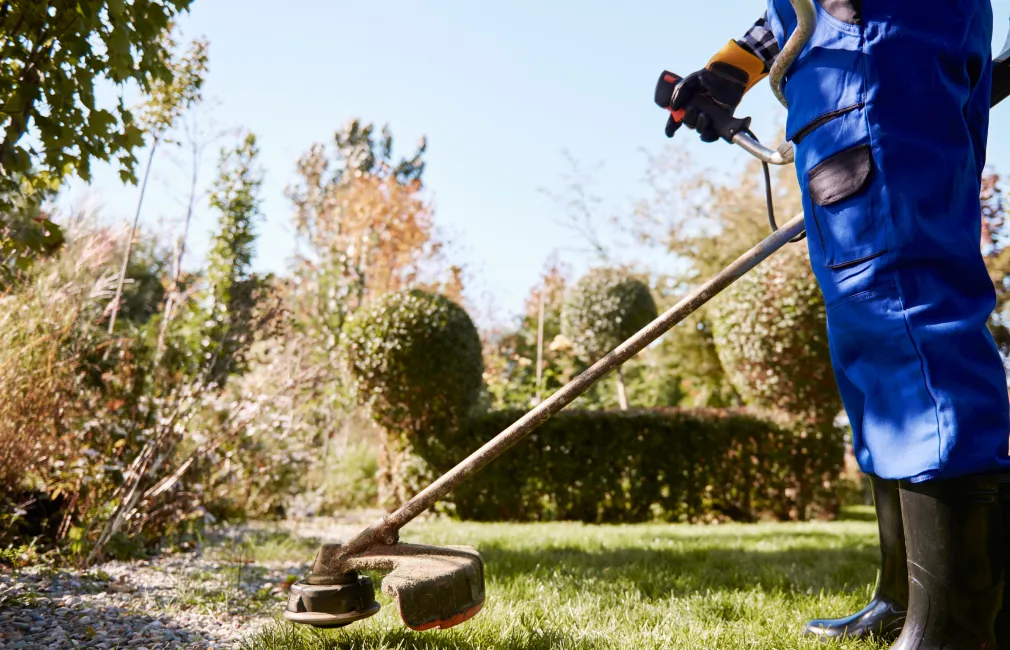
Spring Hill Leaf Removal Types

Curbside Leaf Pickup
Curbside leaf pickup offers a convenient way to dispose of large volumes of leaves from your property.
-
Leaf Blowing Services
Leaf blowing efficiently gathers leaves into piles for easy collection and removal.
-
Bagged Leaf Collection
Bagged leaf collection ensures leaves are neatly contained and ready for municipal pickup.
-
Mulching Leaf Removal
Mulching leaf removal recycles leaves into nutrient-rich mulch for your landscape.
-
Vacuum Leaf Removal
Vacuum leaf removal uses specialized equipment to quickly clear leaves from lawns and gardens.
-
Seasonal Cleanup Packages
Seasonal cleanup packages provide comprehensive leaf and debris removal for a tidy yard.
Our Leaf Removal Process
Site Evaluation
Debris Gathering
Leaf Collection
Final Cleanup
Why Choose Spring Hill Landscape Services
Spring Hill Homeowners Trust Us
-
Expert Lawn Maintenance
-
Reliable Scheduling
-
Competitive Pricing
-
Professional Team
-
Satisfaction Guarantee
-
Personalized Service
-
Locally Owned and Operated
Coordinating Leaf Removal with Spring Hill’s Public Works and Stormwater Systems
Leaf removal in Spring Hill, FL, is closely tied to municipal yard waste collection and stormwater management. Residents and property managers must ensure that leaves and vegetative debris are properly prepared for curbside pickup, as improper disposal can obstruct drainage inlets and swales, increasing flood risk during the wet season. The Hernando County Public Works Department oversees the maintenance of drainage systems and provides guidance on yard waste collection schedules and bundling requirements. To prevent stormwater pollution, leaves should never be placed in canals, ditches, or directly in the street. Instead, use approved containers or bags and place them at the designated curbside location on collection days. For large volumes or storm debris, verify with Public Works regarding special pickup procedures or drop-off options.
Hernando County Public Works Department
1525 E. Jefferson Street, Brooksville, FL 34601
Phone: 352-754-4060
Official Website: Hernando County Public Works Department
How Spring Hill’s Gulf Coast Climate and Soils Affect Leaf Removal
Spring Hill is situated in the Gulf Coast Florida region, characterized by a humid subtropical climate, sandy soils, and a pronounced wet season from late spring through early fall. These local conditions influence leaf removal in several ways:
- Sandy, well-drained soils allow for rapid water movement, but can also lead to nutrient leaching if organic debris is not managed properly.
- The high water table and prevalence of swales, retention ponds, and storm drains mean that leaf piles left on the ground can quickly wash into waterways during heavy rains, contributing to nutrient pollution and blockages.
- Warm temperatures and humidity accelerate leaf decomposition, but also increase the risk of fungal growth and unpleasant odors if debris is left unmanaged.
Understanding these factors helps residents time removal activities and select appropriate disposal methods to protect both property and local water resources. For more on local soils, consult the USDA Web Soil Survey.
Regulatory Requirements for Leaf Disposal and Environmental Compliance in Spring Hill
Leaf removal in Spring Hill is subject to both municipal and state-level regulations designed to protect water quality and maintain neighborhood standards. The Clean Water Act and the Florida DEP NPDES Stormwater Program prohibit the discharge of yard waste, including leaves, into storm drains, canals, and surface waters. Locally, Hernando County code may require that yard waste be separated from household trash and placed in approved containers or bundles for collection. Residents should avoid burning leaves, as open burning is restricted in many areas due to air quality and fire safety concerns. For properties adjacent to canals, lakes, or retention areas, extra care must be taken to prevent debris from entering water bodies, as this can lead to algae blooms and drainage issues. Always verify current requirements with the county or municipal department before undertaking large-scale removal.
Hernando County Environment and Conservation
20 N. Main Street, Brooksville, FL 34601
Phone: 352-754-6830
Official Website: Hernando County Environment and Conservation
Professional Standards and Timing for Leaf Removal in Spring Hill’s Climate
Effective leaf removal in Spring Hill requires attention to both timing and technique, given the region’s climate and drainage infrastructure. Key professional standards include:
- Schedule removal before forecasted heavy rains to prevent leaves from washing into storm drains or swales.
- Use rakes or blowers to collect leaves into manageable piles, then transfer them to approved bags or containers for curbside pickup.
- Avoid piling leaves on driveways, sidewalks, or near curb inlets, as this can impede water flow and create slip hazards.
- For properties with mature oaks or other large shade trees, plan for multiple removal cycles during peak leaf drop, which may occur outside the traditional fall season in Florida.
- Composting is encouraged where feasible, but compost piles should be sited away from drainage features and maintained to prevent runoff.
For additional guidance on protecting water resources during landscape maintenance, refer to UF/IFAS Gardening Solutions – Protecting Florida’s Water Resources.
Hernando County Engineering Department
789 Providence Blvd, Brooksville, FL 34601
Phone: 352-754-4062
Official Website: Hernando County Engineering Department
What Neighborhoods Do We Serve Throughout Spring Hill, FL?
- Seven Hills: Features mature landscaping and extensive shade, requiring frequent leaf removal and careful drainage management.
- Sterling Hill: Newer subdivision with fill-based soils and active HOA oversight, emphasizing curbside compliance and stormwater protection.
- Timber Pines: Gated community with large lots and established trees, where leaf accumulation can impact both aesthetics and swale function.
- Spring Hill Central: Older lots with mixed drainage patterns and proximity to canals, making debris control especially important.
- Lakeside: Properties adjacent to ponds and retention areas, where leaf management is critical to prevent waterway blockages.
- Barclay Avenue Corridor: Urbanized area with smaller lots and higher impervious surface, increasing the need for timely removal to avoid storm drain clogs.
- Forest Oaks: Wooded neighborhood with dense tree cover, requiring regular removal cycles and attention to runoff into nearby greenways.